Michael Fremer

Sort By: Post Date | Title | Publish Date
Michael Fremer  |  May 07, 2016  |  First Published: May 08, 2016  |  comments
Michael Fremer  |  Oct 11, 2016  |  First Published: Oct 11, 2016  |  comments
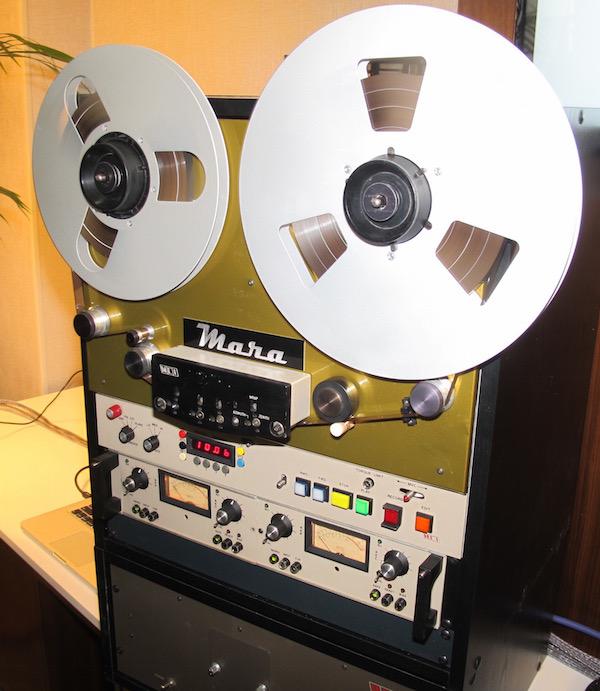
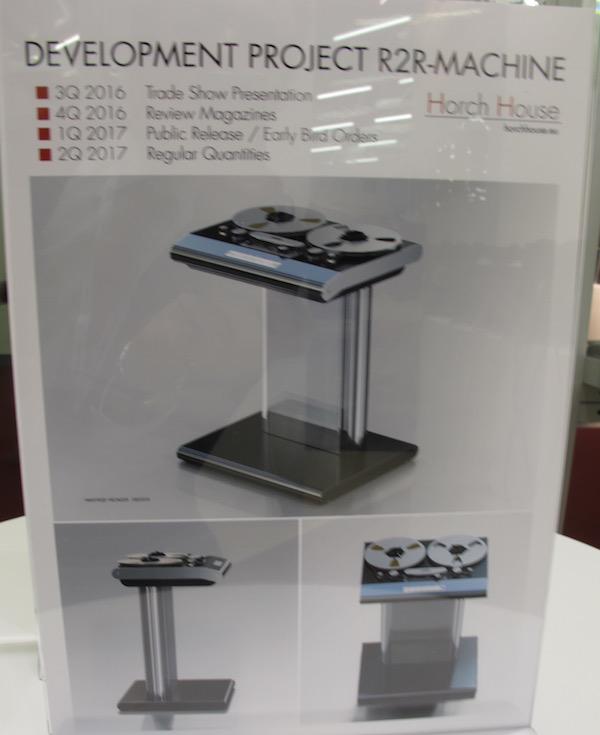
This short video makes the point that reel-to-reel tape has finally become a viable playback format if you have the cash to play.

Michael Fremer  |  Oct 01, 2003  |  comments

My first live encounter with Dianne Reeves was at a Town Hall jazz benefit concert honoring “heroes and victims” of September 11th held that December. The array of talent included Jason Moran, Brad Mehldau, Kenny Barron, Ron Carter, Béla Fleck, Benny Golson, Joe Lovano and many others, but the appearance that stayed with me was Ms. Reeves’s. She literally lit up the stage with both positive energy and a big voice that was stunning for its clarity, phrasing precision and tonal purity. Forget the technical perfection though, Reeves connected with a directed force that no other performer that evening matched. It’s a force you will feel on every track on this effervescent disc.

Michael Fremer  |  Feb 01, 2012  |  comments

Note: the review below was written and posted before we received a technical note that was supposed to have been included in the review LP. The note from Reference Vice President Marcia Martin says there were both analog and digital masters of this production. When the analog tape is still in good condition it will be used as the source for these new Reference Mastercut LPs. In this case and for From the Age of Swing the analog tapes were transferred to 176.4kHz/24 bit digital and the file was used to cut the lacquer. This is safer, Ms. Martin says, when dealing with older tapes.

Michael Fremer  |  Feb 05, 2013  |  comments
On March 12, 2013 Reference Recordings will release a CD version and then sometime later a double 45rpm 1/2 speed mastered 200 gram Quality Record Pressings edition of a new recording by Piedmont blues specialist Doug MacLeod.
Michael Fremer  |  Oct 22, 2012  |  comments
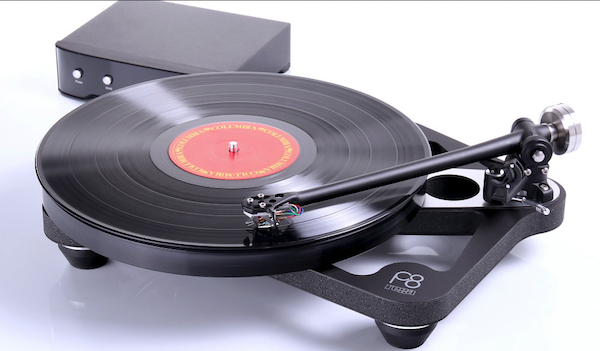
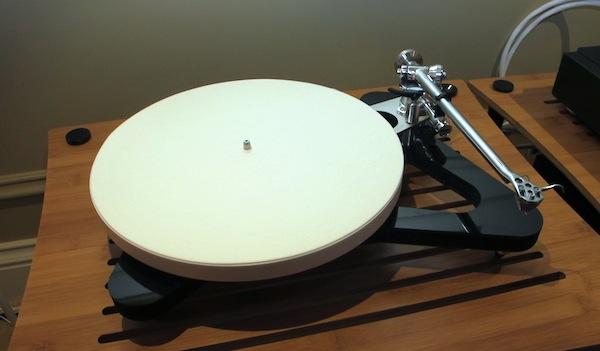
Rega late last week announced a new turntable, the RP8. Available mid-December, the RP8 features an improved plinth, platter and tonearm, the RB808.
Michael Fremer  |  Oct 07, 2018  |  First Published: Oct 07, 2018  |  comments
Here's the poop directly from Rega:
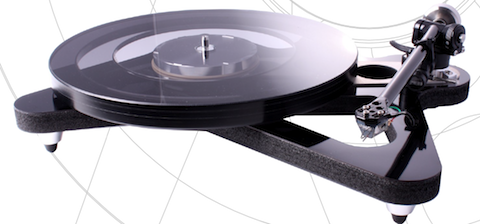
"The Planar 8 was inspired by the ultimate Rega turntable, the 'Naiad'. We decided early on that instead of an evolution of the previous RP8, the new Planar 8 was to be developed and engineered to encapsulate the essence of 'Naiad' at an affordable price. Our aim was to deliver a level of performance far beyond what has been achieved at this price point before.

Michael Fremer  |  Nov 03, 2016  |  First Published: Nov 03, 2016  |  comments
(Due to a missing decimal point what was a .2%+ speed error read '2%". However, the published measurements chart is 100% accurate and had anyone done the math it would have revealed the typo. My apologies for the error to Rega, Sound Organization and to you, AnalogPlanet readers).

Can any turntable manufacturer be enjoying the vinyl revival more than Rega? I doubt it. It saw compact discs coming and yet spent a considerable amount of money creating a tool to produce cast pick up arms. I keep mentioning this in Rega reviews but in the face of the digital onslaught it demonstrates their determined commitment to vinyl playback.

Michael Fremer  |  Jan 09, 2014  |  comments
Rega and importer The Sound Organization launched the new Rega RP10 turntable.
Michael Fremer  |  Jul 15, 2008  |  comments
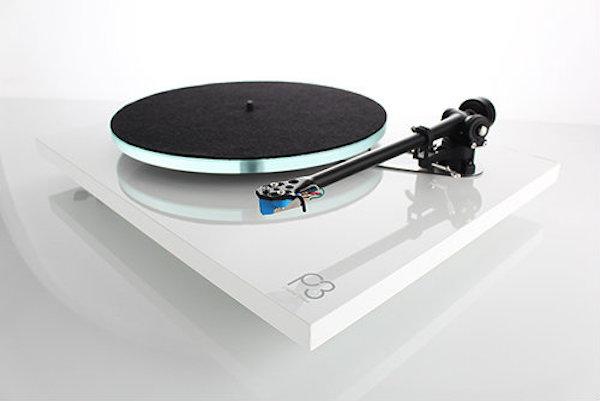
It's now been eight years since a Rega P3 turntable passed through my listening room. While the new P3-24 superficially resembles the P3 (and virtually every other Rega 'table), the company has made some significant changes, including upgrading to the high-quality, low-voltage (24V), electronically adjusted motor used in the more expensive P5, P7, and P9. As in those models, an electronic circuit trims the phase angle of the P3-24's motor coils, thus substantially reducing motor vibrations. In 1998, during a factory tour, a Rega engineer demonstrated the circuit's effectiveness to me. As he adjusted the circuit board's pot, vibrations from the motor dramatically decreased, until it was difficult to tell if the motor was spinning or not. Back then, this "hand-trimmed" motor technology was available only in the P9. The P3-24 uses a less sophisticated version of the same basic idea.

Pages

X