






Recorded live on June, 28th at the 1974 Montreux Jazz Festival, this hot session features Wells and Guy backed by a last minute “pick-up” band consisting of ex-Rolling Stone bassist Bill Wyman, Otis Spann’s Muddy Waters band replacement Pinetop Perkins, ex-Manassas drummer Dallas Taylor, best known for peeking (or peaking) out the door on the back cover of Crosby Stills, Nash (on which he also played) and his brother Terry Taylor on rhythm guitar.
From the NAIM archives comes this triple LP/double CD set, originally issued as two, long out of print, individual CDs, featuring Charlie Haden’s Quartet West, featuring Saxophonist Ernie Watts, pianist Alan Broadbent and the late, great drummer Billy Higgins on one session and the great, not late Paul Motian on the other.
Let the Blue Note reissue riot continue! Fans of the cool, bluesy, gospely Blue Note sound can’t help but feel blessed at the output, whether from Classic in mono or from Analogue Productions and Music Matters in stereo.
“Body snatching” aliens invade earth and disappear among the populace. Someone discovers that playing Black Sabbath’s song “Paranoid” causes the aliens to melt. It’s mankind’s only hope for survival. But not any version of “Paranoid” works: only pure analog ones do—either on vinyl or tape. Used copies become scarce. Turntable sales rise…
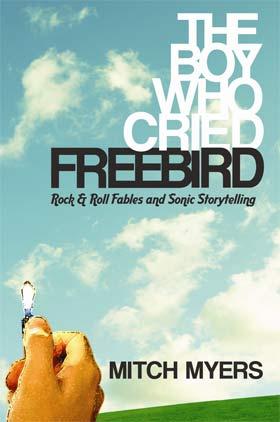
From that premise author Mitch Myers conjures up detailed and often hilarious scenarios, capping the vignette with a surprise ending sure to elicit a physical reaction.
John Cale's guitar-fueled, angry yet nostalgic first Island release from 1974 is easily his finest solo effort in my book. It's certainly his most consistently well written and performed record.
Dexter Calling , recorded May, 9th, 1961, just a few days after Gordon’s Blue Note debut session, opens with “Soul Sister,” a “chicken and biscuits” track the tenor saxophonist wrote for the West Coast edition of “The Connection,” which Freddie Redd had scored for the East Coast original. The tune’s slow, bluesy, Southern-tinged melody, played in ¾ waltz-time sounds like something Floridian Cannonball Adderley might have penned though Gordon grew up in Los Angeles, son of a prominent physician who tended to the likes of Duke Ellington and Lionel Hampton.
Recorded in 1976, this audiophile classic sounds as astonishingly natural today as it did back then, only much better now given the improvements in modern analog playback gear.
Say what you will about the slick, commercial Nashville sound that’s evolved from the fine “countrypolitan” one developed by Chet Atkins and crew at RCA Studio B back in the ‘60’s, at least they still have great studios, skilled engineers and teams of tasty lick players in Music City, all of which are on display here.