


Mark Ronson’s Night People Balances His Love of Vinyl and Analog Culture With Insider Tales About Being an NYC Club DJ in the 1990s
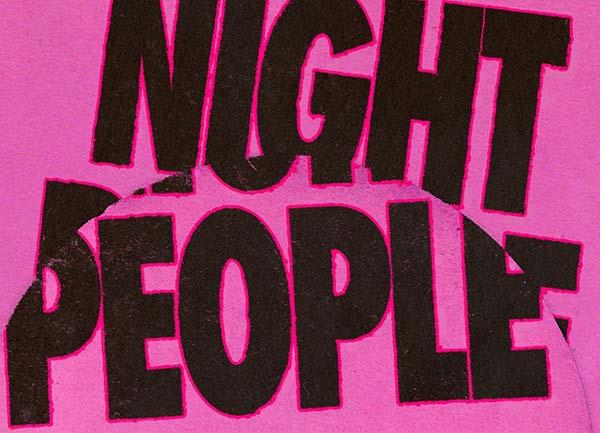
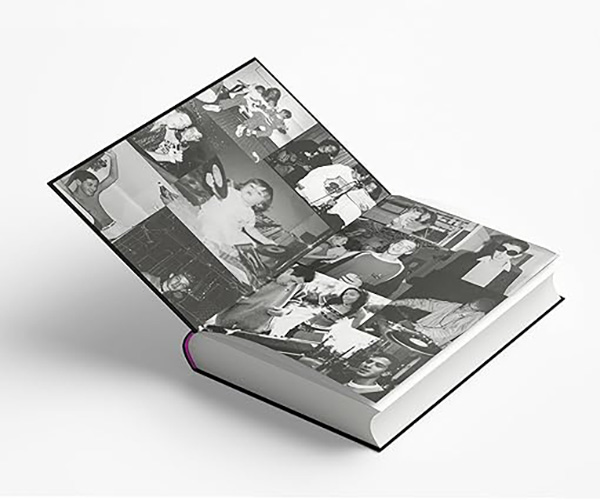
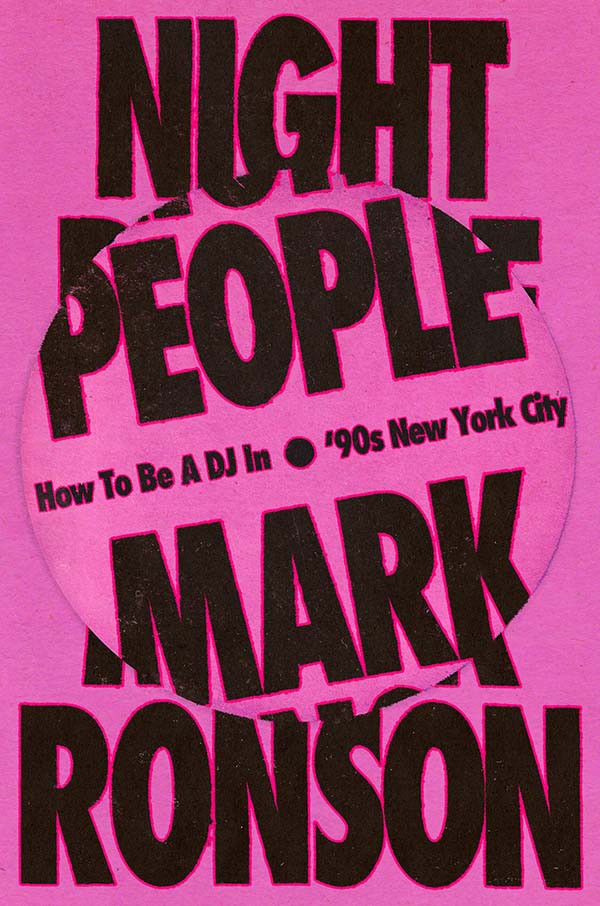
Vinyl culture is still very much alive and well. For many of us, that involves nostalgia for a time before screens held us captive as long and as often as we hold onto them. A time comes to free up and release those memories — and that’s just what Mark Ronson, a multi-hyphenate, multi-Grammy Award-winning producer/songwriter/musician, has done in spending three years researching, remembering, and gathering reminiscences for his new memoir, Night People: How to Be a DJ in ’90s New York City, which was released in a hardcover edition earlier this week by Grand Central Publishing on September 16, 2025 (SRP: $29).
Ronson wanted to put words to the page before more of the people, places, and memories that fostered his career were lost to time. More than mere nostalgia, Ronson’s Night People memoir takes a highly personal approach, and it provides a window into the cultural zeitgeist of a particular time and place — and it extends into some before and after times. Not only that, but he recounts many stories related to his love of vinyl and analog culture.
Mark Ronson is probably best known as an award-winning producer of massive hits by the likes of Amy Winehouse, Miley Cyrus, and Lady Gaga to King Princess, Duran Duran, and July 2023’s Barbie The Album film soundtrack, the latter of which was done in collaboration with fellow producer Andrew Wyatt and released via Atlantic. There’s also “Uptown Funk,” Ronson’s best-selling, chart-topping single featuring Bruno Mars. (If you need a refresher on that song, check out its official YouTube clip below.)
That said, Night People mainly covers Ronson’s life and times before all that big-time work. It focuses on his formative years with music-steeped childhood memories in London, where he was born the son of a very social (socialite) mother and a father who founded a successful music publishing business. Then came a move to New York City’s Upper West Side at age 12 with his twin sisters, when his mother got remarried to Mick Jones, the co-founding songwriter/lead guitarist for Foreigner. There in NYC, Ronson budded into a musician and — more suitably (by his accounts), and passionately — into a vinyl collector like us, and ultimately, eventually becoming a hip-hop DJ in New York City, the latter era which comprises the bulk of the book.
Relative to our core interests, Ronson’s vinyl-centric recollections include forging connections to underground rare records dealers, going to record collectors’ shows, and of course, digging through crates from Queens to the Lower East Side, shopping for gear in SoHo and beyond. And in the other Soho — the one in London — when he’d visit his father in the summers or other school holiday breaks, he’d also pick up promos and scour record stores. He’d search for not only the latest from his many hip-hop heroes, but other classic R&B, soul, and Latin grooves.
Later in the book, Ronson visits Sterling Sound in New York to have pop/funk singer Nikka Costa’s “Like a Feather,” a track he produced for her May 2001 album on Virgin Everybody Got Their Something, pressed to acetate. He provides a description of the engineer cutting on the lathe, then the plating done ahead of the stamper, and subsequent vinyl-pressing processes.
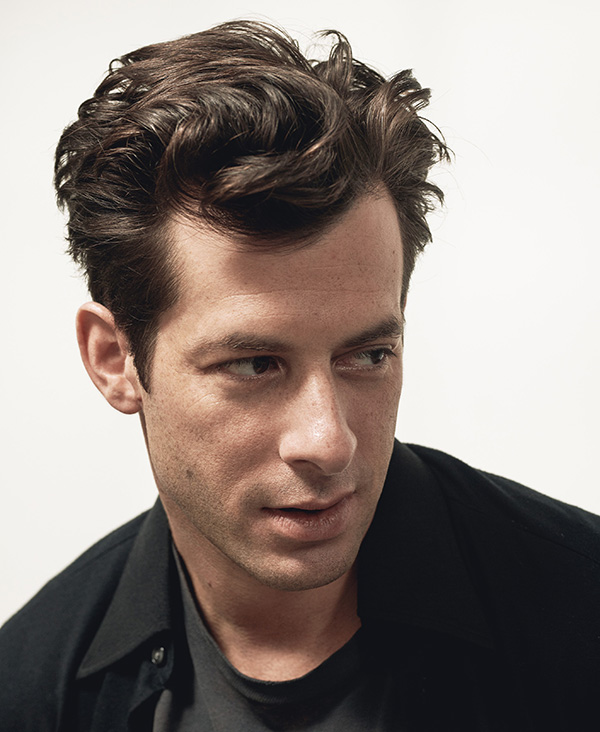
To be sure, Night People is more memoir than a how-to-DJ guide, though it certainly contains some sage advice, tips, and tricks of the trade from DJ basics — such as not repeating a song within a set, and, say, taking the opportunity to hop onto the decks when the main DJ needs a restroom break — to more advanced turntable techniques. He illustrates his extensive hands-on time learning how to spin like a proper DJ by matching tracks’ tempos, rhythms, and cuts, gauging the audience, and reading the room(s).
Night People provides an in-depth taste of a DJ’s day-to-day — or rather, night-to-night — existence, mainly in the mid-to-late 1990s. He shares the highs and the lows — literal and figurative — of his experiences. Yes, there was some de rigueur drug use. But he emerged unscathed, despite hanging out in nightlife environments with drug-related pitfalls. (Some others weren’t so lucky.)
Night People’s narrative lands between a diary and a pal telling you his tales — albeit perhaps with some slight embellishment, I’d say. Ronson’s anecdotes are tempered through English self-deprecation and an earnest, humorous style. He reads as droll with dry wit and a flair for fun metaphors. Recounting a train ride home from a gig, he noted, “I’d wrestle my crates on board a packed train, stack them in the aisle, and perch on them like a bleary-eyed gargoyle.”
Structurally, in keeping with hip-hop DJing practices — and maybe as a nod to them — a few chapters have “breaks” from the standard prose format. For example, Ronson’s musical and turntable technique learnings from fellow DJ students during his days at Vassar College and later, NYU, are presented as a kind of “class” summary. Later, it’s an hour-by-hour playbook of musical subgenres for a DJ’s night. A short screenplay-style segment recounts an embarrassing encounter with one of his famous DJ heroes. It’s as if he’s dissociated, albeit humorously, from the whole situation.
Relatable elements of Ronson’s youth still apply today — the squalor of spartan quarters with bachelor pad roommates. He describes a hilarious chase to find the cordless phone buried in a couch. He needed to answer an incoming call going to the answering machine that would lead to a pivotal DJ gig: “The muffled chirp of the Sony cordless echoed from somewhere in the room, sounding like an eight-bit baby bird that had fallen from its nest.” He cops to some mistakes made, and early missteps taken — like calling in sick to one gig to take a more plum one. (Spoiler: He got busted.)
From the start, Ronson took a hands-on interest and worked hard to hone his DJ craft. He also openly acknowledges advantages his privileged background gave him — a grandfather’s trust fund to cover basic rent and access to his rock-star stepfather’s home recording studio, where he spent time listening to Mick Jones’ mixes and learning as a youth. Though his career would come full circle with studio work, Ronson attributes his broader success to skills he learned as a DJ.
Of course, vying for gigs was competitive. Much of the material paints pictures of the less-glamorous realities of hustling for DJ gigs: schlepping three milk crates of records to and from, working “bats--t” vampire hours, even trying to come up with a decent DJ name. (At one point, he’d borrowed the Mark the Spark moniker already being used by an unofficial member of the hip-hip group Brand Nubian — a minor slipup he’d regret.) Anyone who collects vinyl records, has DJ’ed, and/or moved from one living space to another knows well records’ weighty burden.
Although the book’s anecdotes center on music and people, analog fans like us will also appreciate its many gear references. An early childhood memory has Ronson waking up in the wee hours and pressing his face up against the speakers playing music at late-night parties his parents hosted. (Indeed, his parents were also titular Night People.)
Naturally, most of the equipment mentioned in the book leans to the pro side: various Technics SL-1200 model turntables (sans cartridges) in the clubs; Ortofon, Shure, and Audio-Technica carts; even a Crown amplifier or two. Some of his own cart choices included a Shure SC35cs starting out, then M44s, before moving on to the sleeker Ortofon Concorde.
The various DJ booths he encountered and worked in presented their own systems and challenges, from wobbly tables to tiny spaces to more front-and-center star setups. Ronson describes the differences between Roxy’s main room DJ area versus their upstairs Skybox hip-hop room DJ booth, which could have once been a mop closet: “The main booth declared, ‘You are the master of this domain.’ The DJ looked down on the pulsing crowd like a benevolent ruler. [. . .] The upstairs booth muttered, ‘Good luck, kid.’”
It seems Ronson didn’t turn down many, if any, gigs. In time, he was spinning all over in a dizzying array of venues, public and private parties, and more. Even a Tommy Hilfiger “Mall Crawl” Bus Tour are covered here.
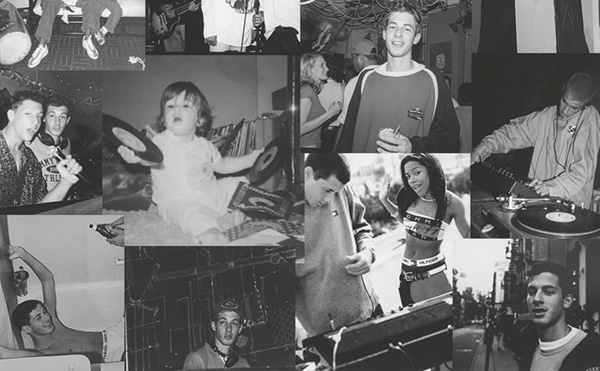
Namedropping necessarily plays a role throughout, though not more so than necessary. This was the world Ronson lived in. Even before his own successes, he grew up with his aforementioned rock star stepfather and mother who were part of the rock-’n’-roll party scene. Although Ronson has serious cred, he doesn’t appear to take himself too seriously. (If he had, Night People surely wouldn’t have had the same appeal.)
Those who came of age or had entered adulthood in a similar era might recall news on New York City’s music and club scene’s influence on broader popular culture. Club owners such as Peter Gatien, who was behind the Limelight, Tunnel, and Club USA — where Ronson DJ’ed for a time — making headlines along with the Club Kids. There were tax and drug raps, along with skirting archaic cabaret laws and other licensing and code violations. This hit just before and during the early days the wake of then-Mayor Rudolph Guiliani’s efforts to “clean up” NYC. Nightlife there would never be quite the same.
Ronson invites readers into a vivid portrayal of his world as it was, and as it is. For younger folks, Night People is also a firsthand account of the latter days of New York City’s nightlife reign supreme. The book’s final chapter shows his fully grown-up self — a married father of two young daughters — returning to the NYC scene for some selected gigs. Ronson witnesses the next generations coming up, enjoying the music, and just dancing to it — priorities that eclipse the glitzier, showier, velvet-rope exclusivity of the megaclubs of yore.
Throughout the balance of Night People: How to Be a DJ in ’90s New York City, Mark Ronson shows humanity, heart, and humor. This book was an enjoyable, end-of-summer, 256-page read — and it comes highly recommended for the AP cognoscenti to check out firsthand.
Author bio: Julie Mullins, a lifelong music lover and record collector since age 10 who takes after her audiophile father, is also a contributing editor and reviewer on our sister site, Stereophile, for whom she also writes the monthly Re-Tales column. A former fulltime staffer at Cincinnati’s long-running alt-weekly CityBeat, she programs and hosts a weekly radio show on WAIF called On the Pulse.












 |
Equipment Reviews | |
The Gruvy Awards | |
Blogs Analog Tips | Columns Music | |
Show Reports | |
News Resources |
 © 2026 AnalogPlanet
AVTech Media Americas Inc.
All rights reserved