


Fare Thee Well to Bob Weir: A Celebration of a Life Well Lived on the Bus, and Most Especially on Vinyl, With the Grateful Dead and Beyond
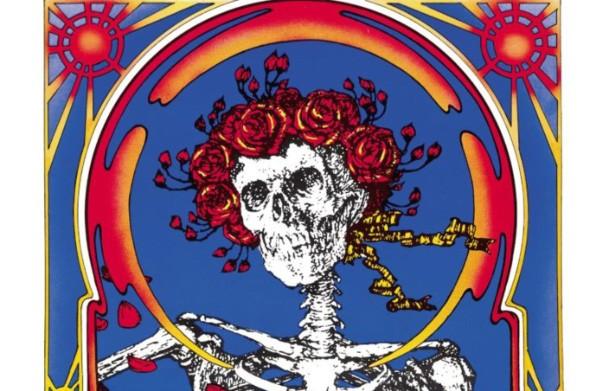
In a moment that truly signifies the end of an era, the passing of 1960s psychedelic music legend, Rock & Roll Hall of Fame inductee, and Grateful Dead co-founder Bob Weir at age 78 on January 10, 2026, has certainly shook the souls of fans all around the world. It’s such a tremendous loss. As we offer our heartfelt condolences to his family, fans, and surviving members of the Grateful Dead alike — as well as all the musicians whose lives he touched along the way — we can’t help but be awe-inspired by Weir’s incredible career, his free-spirited but focused trajectory, and the joyously rich musical output created throughout a life well lived.
Before I delve into some of Weir’s best in-studio and onstage moments on vinyl, some history first. Rhythm guitarist/vocalist Bob Weir co-founded the Grateful Dead in 1965 from the roots of Palo Alto, California-based jug band Mother McCree’s Uptown Jug Champions. Initially, the early rock incarnation of the group was known as The Warlocks, and Weir, at just 16 years old, was their youngest member. (For added perspective, just a handful of years earlier across the Pond, George Harrison was age 15, going on 16, when he first connected with Paul McCartney and John Lennon when forming a band that would soon enough become The Beatles.)
Together with Weir’s like-minded bandmates guitarist/vocalist Jerry Garcia, drummer Bill Kreutzmann, keyboardist Ron “Pigpen” McKernan, bassist Phil Lesh, and eventually also drummer/percussionist Mickey Hart, the Dead set out on a journey that literally took them around the world, while simultaneously placing them at ground-zero in the heart of the youth-driven, mid-1960s psychedelic revolution in San Francisco. This movement led to the first Gathering of the Tribes/Human Be-In, the so-called Summer of Love, and the emergence of massive concert festivals like Monterey Pop and Woodstock.
Having performed thousands of gigs with the Grateful Dead and many concurrent sideprojects — as well as the numerous incarnations of post-Garcia groups he helped launch — Bob Weir was all about the music, in addition to doing the right thing with his position of influence to move the needle of progress forward, often by supporting environmental activism and other notable charities.
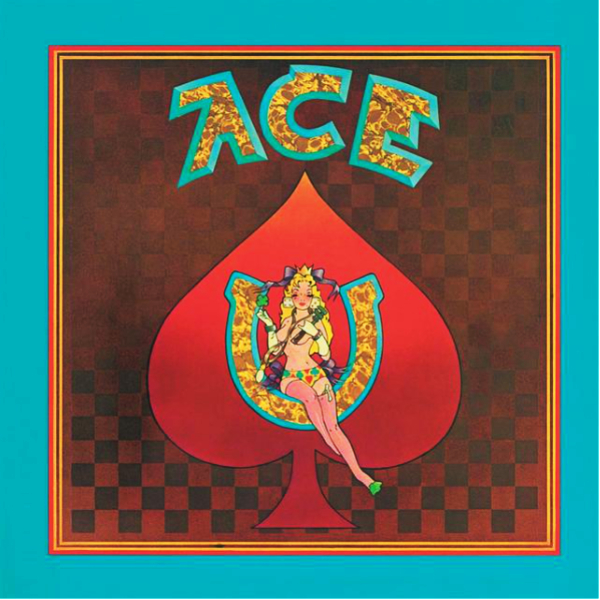
Now, let’s get into the music. If any one album must stand out from Weir’s solo efforts, it is his genre-defying first solo release on Warner Bros., May 1972’s Ace. This is essentially a Grateful Dead record featuring songs written by Weir with his songwriting partner John Perry Barlow, as well as some tracks penned with Grateful Dead percussionist Mickey Hart and lyricist Robert Hunter.
These days, the Ace LP plays in many ways like a greatest hits collection — but at the time of its mid-1972 release, it was “just” Bob Weir’s first solo record. Across its eight tracks, Ace delivers an incredible array of songs that were almost all performed regularly with the Grateful Dead throughout their career (and beyond!). The aching melancholy of “Looks Like Rain” (Side 2, Track 1) is followed by the upbeat, Mariachi-infused joys of “Mexicali Blues” (Side 2, Track 2). The rollicking album opener “Greatest Story Ever Told” kicks off the celebration on Side 1 in fine form, and it is hard to keep from dancing to Weir’s Chuck Berry-meets-Bill-Haley party favorite “One More Saturday Night” (Side 2, Track 3), which nearly closes the album before the reflective and beautiful “Cassidy” (Side 2, Track 4) does the job.
Weir’s subsequent solo albums and other sideprojects, including the groups Kingfish and Bobby & The Midnites, have legions of fans as well. But Ace is very much the place to start when exploring Weir’s music.
It is hard to pinpoint any one particular album of his time with the Grateful Dead as “the one” to own that solely features Weir’s music, but there are certain recordings where his influence is particularly high-profile. While arguably not as prolific a songwriter as Garcia was, Weir nonetheless delivered some of the band’s most popular songs, as evidenced by his numerous songwriting credits found on many a “greatest hits” collection. The bottom line is, Bob’s music was essential to the Grateful Dead experience.
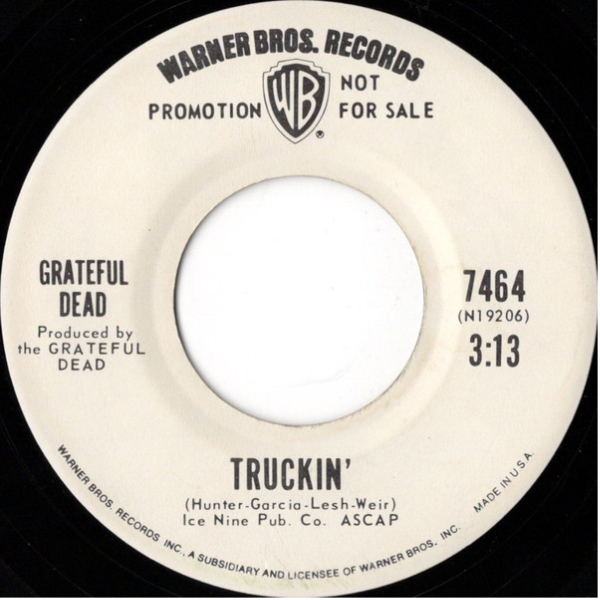
As far as pinpointing my favorite Bob Weir recordings on vinyl go, that’s a real tough call to narrow down, but I will give it a shot! The following section of this post includes ten of my favorite Bob Weir moments — five studio recordings, and five live offerings. Please note that I’ve mostly zeroed in on Weir’s work with the Grateful Dead, and songs where Weir is the primary composer and lead singer. Thus, you might be surprised to not see iconic tunes like “Truckin’,” the iconic final track on American Beauty, listed here, which is actually a group co-write credited to Hunter, Garcia, Lesh, and Weir. (We’ll show you the promo 45 for it above, though!) This is not a slag on the song, but just a point of focus.
And now, here we go, with my five fave Bob Weir studio tracks first. (Footnote 1)
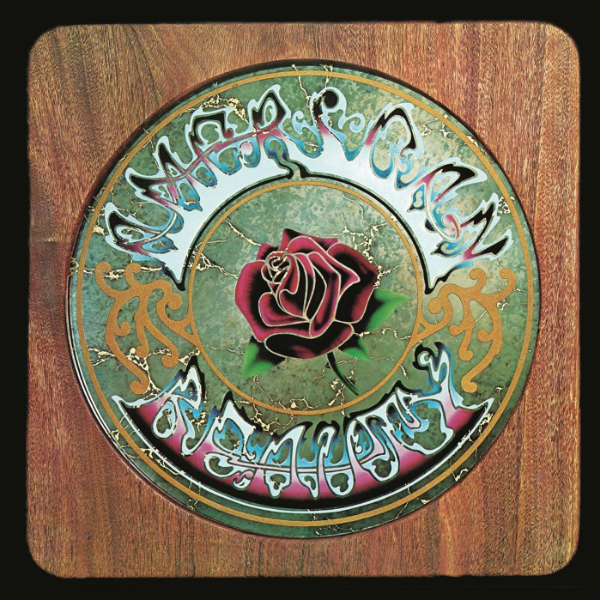
“Sugar Magnolia.” From November 1970’s above-noted American Beauty (Warner Bros.), this Grateful Dead classic was written by Weir and Hunter. While many great live versions of it exist, the original studio version has a distinct, quirky structure I genuinely love.
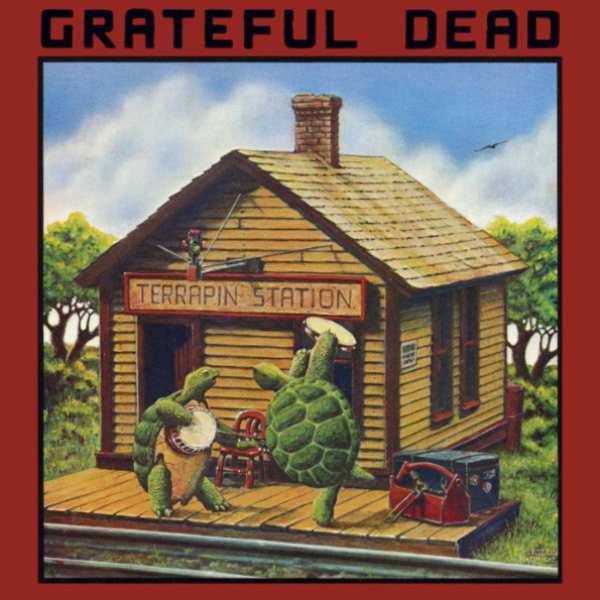
“Estimated Prophet.” From July 1977’s Keith Olsen-produced Terrapin Station (Arista), this Weir/Barlow tune is brilliant start to finish, from its reggae lilt to unconventional 14/8 time signature. “Prophet” also immediately gets your feet moving to the groove of the Dead’s different drummers. In fact, it was so strong that they chose “Prophet” as the opening track for the Station album, which reached the Top 30 at the time of its release.
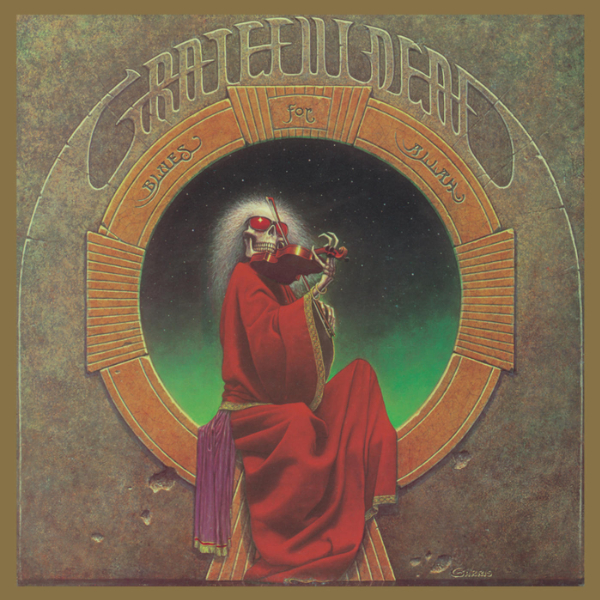
“The Music Never Stopped.” This Side 1 closer on the Dead’s classic September 1975 Blues for Allah LP (Grateful Dead) is another one of those instant fan favorites that gets your feet moving and dancing immediately. You’ll be singing along while being simultaneously mesmerized by the band’s incredible virtuosity. And just consider that, 10 years earlier, a band that had been forged from the ashes of a folksy-bluegrass jug outfit was now delivering soulful, slam-dunk funk grooves this side of Stevie Wonder and Parliament Funkadelic.
While there are many great live versions available of this song, I especially love the studio version, especially with its quasi-Stevie Wonderesque intro beats. This studio version also features a soaring saxophone solo by Steven Schuster that takes the band and the tune into another realm.
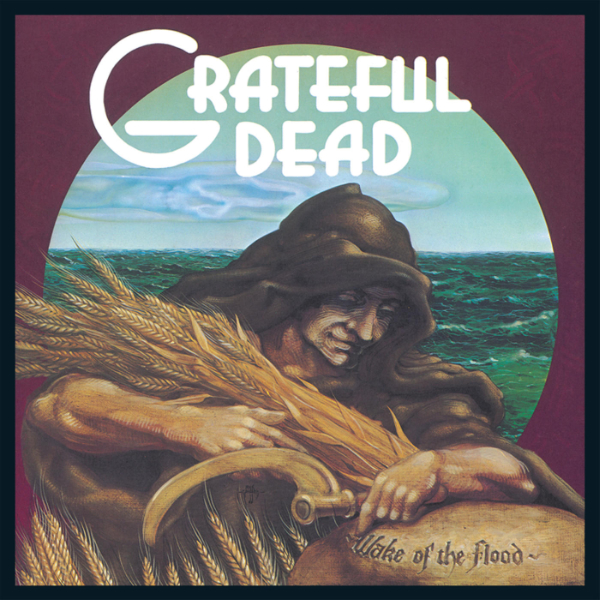
“Weather Report Suite.” A 12-minute album closing epic from my favorite Grateful Dead album, October 1973’s Wake of the Flood (Grateful Dead), this is another example of how far Weir had grown as a composer. Opening with a near-classical guitar motif, the song progresses into a bluesy, country-flavored jazzy ballad. Again, I prefer the studio version to the many fine live incarnations you can find out there, as it is beautifully paced — with Garcia’s gorgeous pedal-steel guitar — and the transition into the faster “Let It Grow” sequence is just magical, featuring lovely sax soloing from the late, great Bay Area session player Martin Fierro (Sir Douglas Quintet, Jerry Garcia Band).
“Black-Throated Wind.” This is one of my other favorite tracks from Weir’s aforementioned Ace LP (Side 1, Track 2), and it’s also one of those songs where I prefer the studio take to live versions for its super-soulful horn section work.
And now, here are my five fave live Weir tracks. It’s hard to zero in on which live album version of them to cite, let alone via all the “other” ways you can hear these tracks, so I’ve included certain live LP options as warranted.
“Playing in the Band.” Originally released on Weir’s solo album Ace, this song became a popular concert favorite for the remainder of the Grateful Dead’s performing career. While I love the studio cut, the live versions of “Band” often became epic launchpads for improvisation and exploration. For but one example, check out the following YouTube clip of the nearly 20-minute journey from the band’s iconic August 27, 1972, benefit performance in Veneta, Oregon. This is one of those shows that many fans consider among the band’s finest. I know I do! And you can also find it on the Dead’s 2013 4LP RSD box set from Rhino that’s titled Sunshine Daydream (Veneta, OR, 8/27/72) (more specifically, it’s LP2, Side 4, Track 1).
“Lost Sailor” > “Saint of Circumstance.” A complex pairing of tunes that originally closed out April 1980’s Go to Heaven LP (Arista). I never loved the production on Heaven, particularly how the tunes were effectively presented as separate pieces. I guess this is because I first heard them before the album came out in a fan-made audience recording where, at least initially, they were paired more closely together — and, over the years, I rarely heard the band fully nail that transition live. I’m not entirely sure what the challenge was for them in getting there, especially as they tried to keep the performances up-tempo. But that is where this early somewhat slower version from Rochester, New York’s Holleder Stadium from September 1, 1979, comes into play. Bob’s voice is in great form on this soundboard recording that shows the band watching its tempos, allowing the songs to reach full flower.
This recording, which you can scope out above, is not perfect, as there is a tiny recording gap between the songs on this YouTube version, but I still like how the Dead transitioned here into the upbeat dance beat of “Saint” coming out of the “Dear Prudence”-esque vibe of “Sailor” so I had to include it, as this version just works for me.
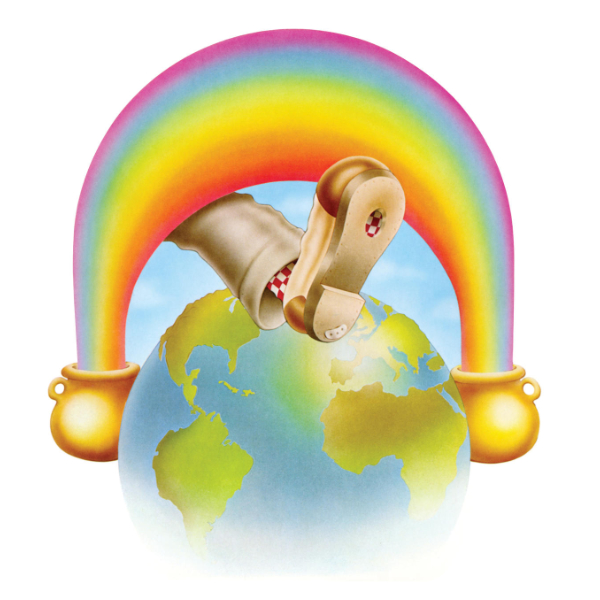
“Jack Straw.” By the early ’70s, the Grateful Dead were on the road most of the time, and thus live recordings became essential for not only logistical reasons, but also because they often captured the band at their onstage best. This concert staple, written by Weir and Hunter, was first issued on November 1972’s 3LP live concert set Europe ’72 (Warner Bros.), and it remains pretty much the definitive version. Check it out below.
“The Other One.” Initially incorporated as one section in the four-part suite of songs known as “That’s It for the Other One” on the Dead’s ambitious (and technically groundbreaking) July 1968 sophomore album, Anthem of the Sun (Warner Bros.), this movement was co-written by Weir with drummer Bill Kreutzmann. Originally subtitled “The Faster We Go, the Rounder We Get,” this portion was eventually extracted as a musical entity unto itself, known to fans as simply “The Other One.” A tremendous launchpad for extended improvisation, it remained in live Grateful Dead sets for decades.
Weir’s early storytelling lyrics here offer insights to those who look, including perhaps the first instance (at least that I know of) where the concept of “getting on the bus” is presented as an allegory for not only becoming a fan of the Grateful Dead — as in, “When did you get on the bus?” — but more universally for joining a particular movement in general. The citing of “Cowboy Neal” was no doubt referring to Neal Cassidy, the Beat Generation icon who reportedly was the model for the Dean Moriarty character in Jack Kerouac’s infamous 1957 novel, On The Road. Cassidy was one of Ken Kesey’s original proto-psychedelic Merry Pranksters who eventually served as the driver of the actual 1939 International Harvester school bus that was named “Furthur” on their legendary cross-country journey.
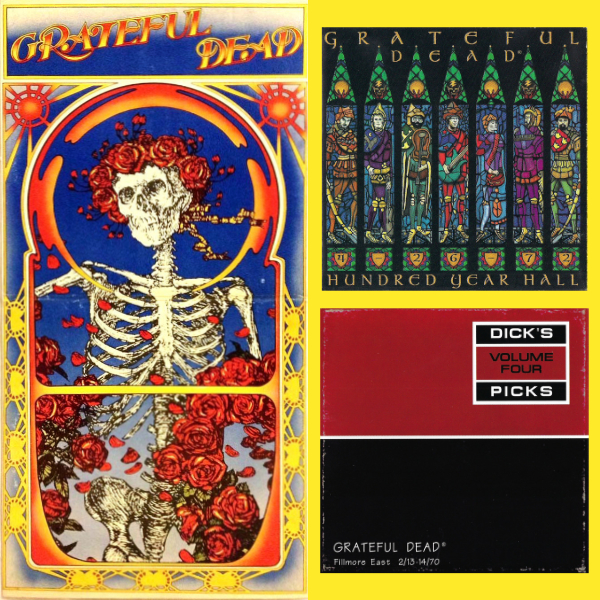
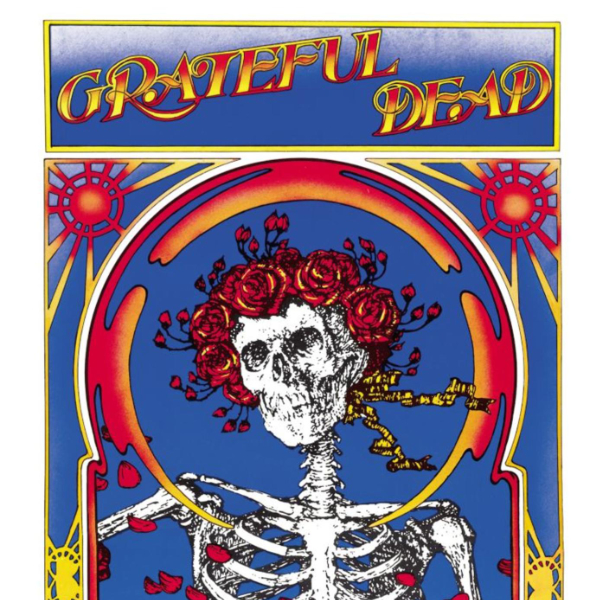
While a classic 18-minute stand-alone version of “The Other One” was released on the Dead’s eponymously titled September 1971 2LP Warner Bros. set known to fans as Skull & Roses, I reached out to my friend Mitch Stein to get his favorite version of the track. He came back to me with the February 13, 1970, performance of it at New York’s Fillmore East, for its high level of interplay between the musicians — and having just relistened to it for the first time a while, I’ll certainly second that emotion!
Incidentally, this performance was issued on Dick’s Picks Volume Four: Fillmore East 2/13-14/70, which was initially available only as a 3CD offering from the Grateful Dead label in 1996 but was later reissued on vinyl in a 6LP set from Brookvale Music in 2013, and more recently reissued via Real Gone Music in 2025.
That said, I do have to also point you to an epic, 36-minute version of “The Other One” on the 2CD-only October 1995 release Hundred Year Hall (Grateful Dead, and later on Rhino) that was recorded at the Centennial Hall (a.k.a. Jahrhunderthalle) in Frankfurt, Germany on April 26, 1972. Analog-wise, this performance only officially appears on cassette as of yet, but it is well worth experiencing, as the band veers into near free-jazz territory as well as deep space, all very much live onstage without a net. It is quite amazing, really.
“Stuck Inside of Mobile With the Memphis Blues Again.” Wrapping up my live picks, I was originally going to add a track from the Dead ’s July 1987 hit Arista album In The Dark, as I had been leaning toward a live version of “Hell in a Bucket.” However, I’m instead choosing a song that Weir did not write, but certainly took full ownership of, — at least on this performance! “Mobile” was written by Bob Dylan, and it originally appeared on his June 1966 2LP masterpiece on Columbia, Blonde on Blonde.) I saw one of the shows the Dead played with Dylan — on July 12, 1987, at Giants Stadium in East Rutherford, New Jersey — and I personally thought it was a terrific pairing. They had been doing this song on that tour, so I’m pleased the Dead kept it in their sets for quite some time thereafter.
The version of it seen above, from October 2, 1988, marked the first Grateful Dead show I saw after moving to San Francisco from the New York metropolitan area. I recently revisited this show, and was taken with how genuinely inside this song — and its complex lyrics — Weir was at that time. He gives it his all, and more! The band is also much tighter than I remembered, and the mix on this soundboard recording is very enjoyable.
This recording is also a reminder of what a fine frontman Weir was — one who was comfortable tackling old country western nuggets, sweet ballads, mad psychedelia, and early Chuck Berry/Buddy Holly-flavored rock & roll, as well as lyrically dense oblique epics from Dylan. Not everyone can do that, but Weir certainly had that special artistic gift of stagecraft.
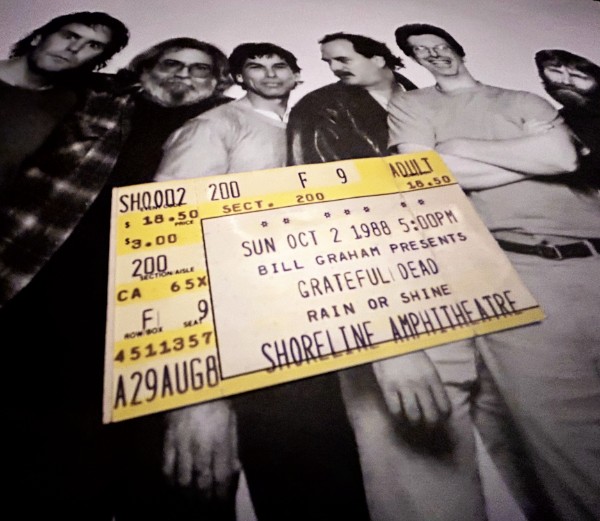
Speaking of live Dead gigs, I couldn’t let the rest of this post pass without mentioning some of my other favorite live Dead memories. (I’m sure many of you have numerous live Dead experiences of your own.) I’m thankful that I had the opportunity to see Weir performing with the Grateful Dead numerous times over the years — as many times as I could afford both financially and logistically, that is! My first Dead show was on January 12, 1979, in Philadelphia, when the husband/wife tandem of keyboardist Keith Godchaux and vocalist Donna Godchaux were still in the band. This show, incidentally, opened with Weir’s “Jack Straw.”
Some months later on May 7, 1980, I also had good fortune to witness the Dead’s return to Cornell University’s legendary Barton Hall, the site of what was already then widely considered to be one of the band’s greatest performances to date (almost on the same date a few years earlier on May 8, 1977). Along the way over the years, I saw many more Dead shows on the West Coast, on into the 1990s.
There was nothing like a Grateful Dead show — and even at their loosest and spaciest, there was always fun to be had. It was about capturing a vibe, a communal spirit lifting off between the band, their music, and the fans. And, in retrospect, it is clear that Weir was as much of a central energy source as Garcia, perhaps even more so, especially as Jerry’s health fell into decline.
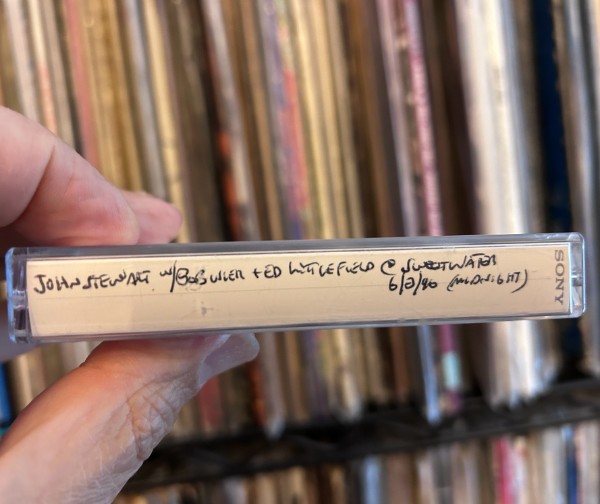
Like Bruce Springsteen fans in New Jersey, most Deadheads — especially those in California — seem to have some sort of personal tales relating to the band. I have some of my own favorite Weir memories. Notably, there was one particularly special evening in the early stages of my own band’s formation as an acoustic-electric duo, when we were still doing open mics around the Bay Area. On June 3, 1996, we crossed the Golden Gate Bridge and drove up to Marin County’s Mill Valley to play the open mic at the legendary Sweetwater club. You can imagine our surprise — and of most everyone waiting for their turn at the mike! — when a trio of noted musicians showed up, including songwriting master John Stewart (“Daydream Believer”) with guitarist Ed Littlefield, and Bob Weir! While I wish I’d had a camera with me at that time, I did however have my tape recorder in hand as I’d planned to document our set, so I also captured their set as well for posterity (as seen above).
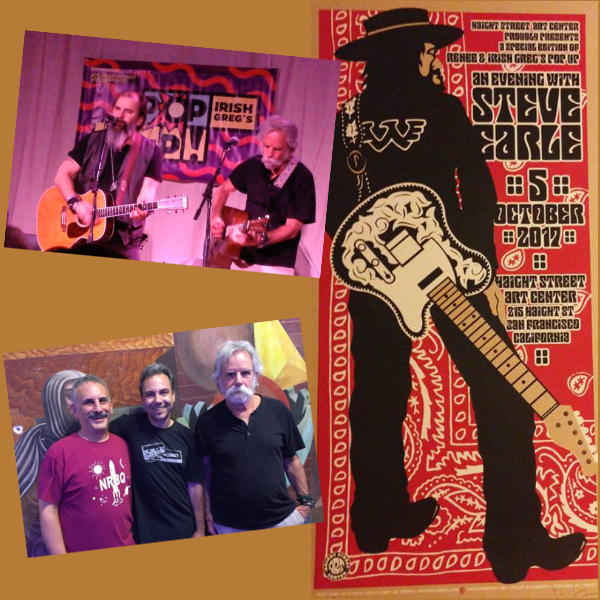
On October 5, 2017, I was invited to attend special benefit show for The Blue Bear School of Music at the then-new Haight Street Art Center. Steve Earle was scheduled to play an acoustic set, and he brought out a special guest to join him (you guessed it): Bob Weir. That was remarkable, because it was such a small, up-close and personal audience kind of a scenario, as there had to be fewer than 100 people there. Thanks again to my friend Mitch Stein — a producer and musician who’s played with most of the Grateful Dead members over the years, as well as being the creator of the most excellent DeadShowz mobile Grateful Dead concert search engine app — for inviting me along that night!
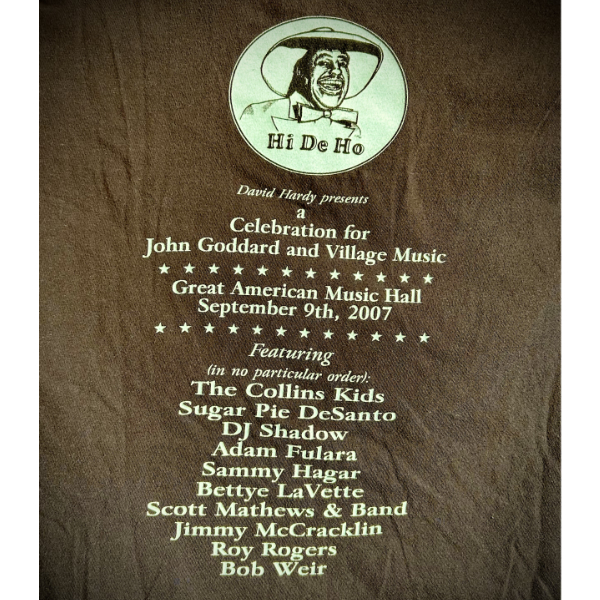
It was also a special joy seeing Weir perform at a semi-private farewell party concert held at The Great American Music Hall (GAMH) here in San Francisco on September 9, 2007. This multi-artist gathering celebrated the life’s work of John Goddard, owner of Mill Valley’s legendary record store Village Music, which had finally closed. So important was this record store that no less than Elvis Costello played an acoustic in-store set at its closing — a performance that I saw from the doorway, as the store was packed to its capacity.
For the GAMH show, I was fortunate to have learned about a relative handful of tickets being opened up for sale to the public at the last minute for upstairs-only seating. Thus, we witnessed this stellar lineup of many of Goddard’s favorite performers and friends including Betty LaVette (whose career he helped kickstart/reboot!), Sugar Pie DeSanto, Sammy Hagar, The Collins Kids, and, of course, Bob Weir. What a special treat. (And I still treasure the commemorative t-shirt I scored there.)
There is nothing but admiration and continued awe to be showered on Bob Weir and his bandmates, who not only picked themselves up after the devastating loss of Jerry Garcia at age 53 in August 1995, but also rewrote the course of their futures. Together, they kept the flames of the Grateful Dead’s music burning and alive for new generations to discover via bands like The Other Ones, Further, The Dead, RatDog, and, finally, with Dead & Company. Bob also had successful tours with his band The Wolf Brothers, a collaboration with legendary producer Don Was. Clearly, there was never any way the music was going to stop — not with Bob Weir in the driver’s seat.
Bob Weir and the Grateful Dead have left behind so much wonderful music for us all to enjoy. To that end, the music those folks made will never leave us. While a number of them have since left the physical plane, as Weir sang so many years ago, the music never stops. Rest in peace, Bob. Thank you for all the music, love, and inspiration you gave — and continue to give — to us all.
Author bio: Mark Smotroff is an avid vinyl collector who has also worked in marketing communications for decades. He has reviewed music for eCoustics, among others, and you can see more of his impressive C.V. at LinkedIn.

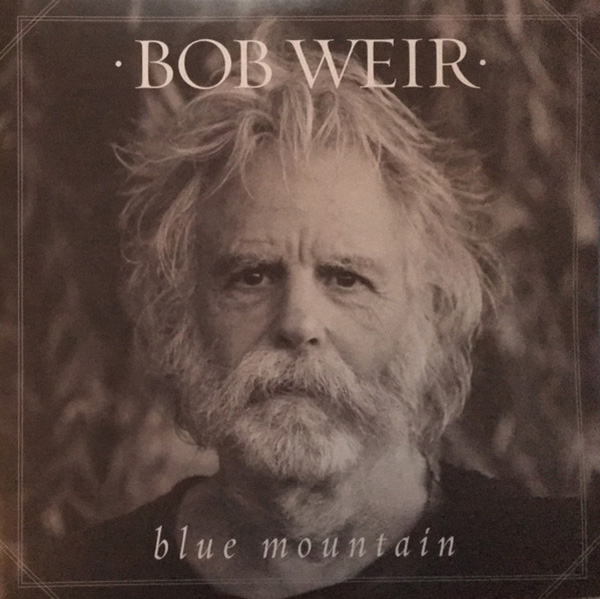
Footnote 1: AP editor Mike Mettler adds: Mark has done such a wonderful, in-depth, heartfelt tribute to Bob Weir here that I wanted to refrain from interrupting his vibe by chiming in with my own favorites — a number of which parallel his choices, truth be told — so instead, I will add something he didn’t mention that I love cuing up on my turntable: Weir’s final solo album, Blue Mountain, a far-reaching, genre-defying 2LP set released in September 2016 on Columbia/Legacy (88985366991). Calling this a collection of, shall we say, “cowboy movie” songs only tells part of the story — but it’s a fitting sunset on a recorded legacy that continues to enrich me every time I play his music. Fare thee well indeed, dearest Bobby.
Want more Weir-related Dead reviews? We got plenty of ’em!
For our review of the 180g 1LP reissue of Blues for Allah that posted on September 25, 2025, go here.
For our appreciation of the late, great Dead bassist Phil Lesh that posted on November 7, 2024, go here.
For our review of the 50th anniversary of the 180g reissue of the Dead’s June 1974 From the Mars Hotel LP that posted on June 21, 2024, go here.
For our combo review of the Plangent Processes-restored reissues of the Dead’s July 1977 Terrapin Station LP and July 1987’s In the Dark LP that posted on March 8, 2024, go here.
For our review of the 180g 5LP box set titled Boston Garden, Boston, MA 5/7/77 (a.k.a. Boston 5.7.77) that posted on May 12, 2023, go here.

















 |
Equipment Reviews | |
The Gruvy Awards | |
Blogs Analog Tips | Columns Music | |
Show Reports | |
News Resources |
 © 2026 AnalogPlanet
AVTech Media Americas Inc.
All rights reserved